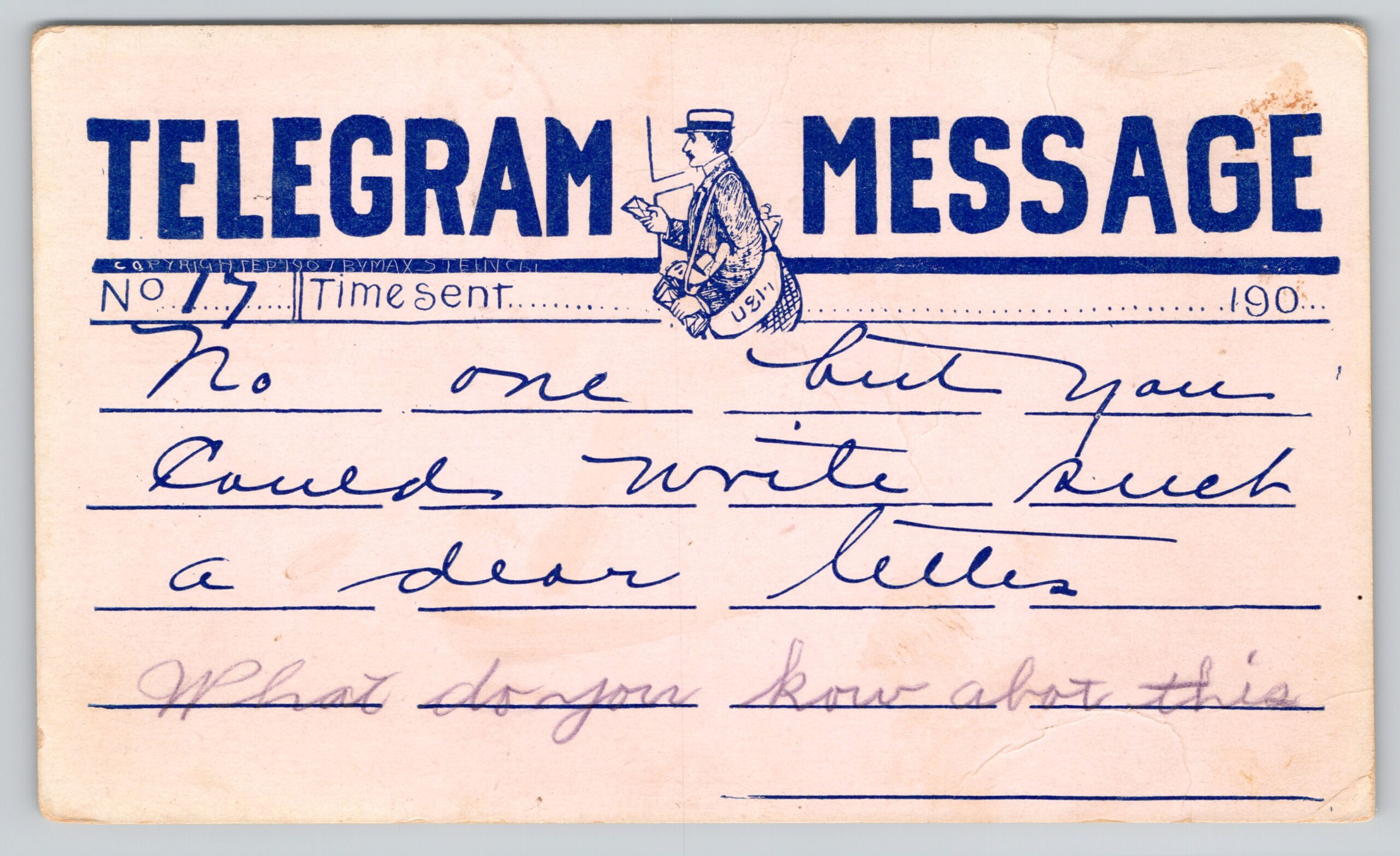
Vintage Telegram Message Postcard Image

Vintage Telegrams: A Look Back at the Original Instant Message

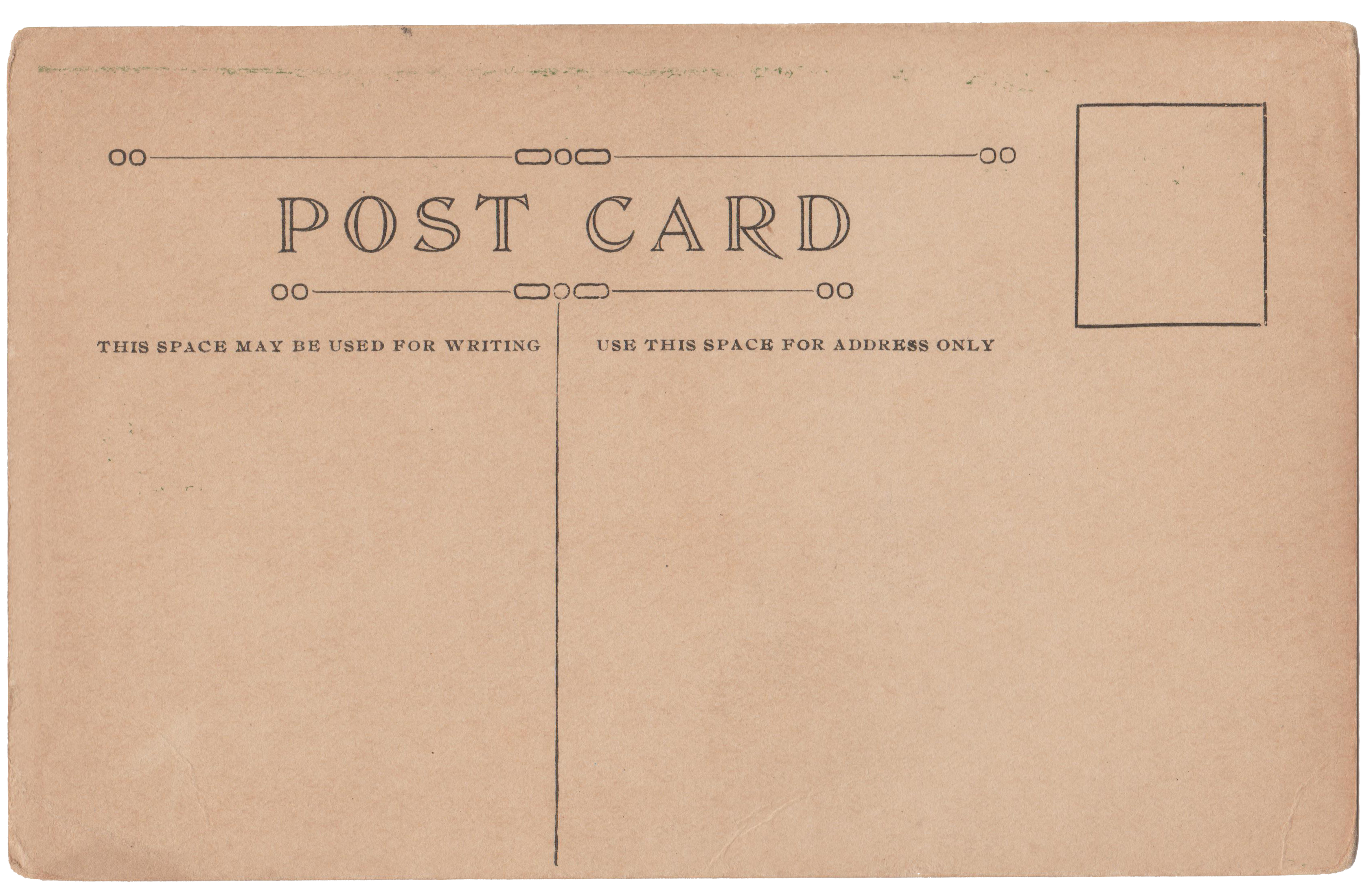
Before texts, emails, and even phone calls, there was the telegram — a short, urgent message delivered across great distances using the magic of electricity and Morse code. Today, vintage telegrams feel like charming relics from a slower but still impressively connected time. The included image was sent in 1908 and mailed as a postcard, not a traditional Telegram.

What Exactly Is a Telegram?
A telegram was a message sent via telegraph — an early form of electronic communication invented in the 1830s and widely used by the 1850s. The sender would go to a telegraph office, write their message on a form, and pay per word (which is why telegrams were famously brief and to the point). A telegraph operator would then transmit the message in Morse code to another office, where someone on the receiving end would decode it and deliver the printed message to its recipient, often by hand.

Think of it like an early, low-tech version of a text message — but instead of arriving on a phone, it came on a piece of paper, often sealed in an envelope with an official-looking stamp or logo.

When Were Telegrams Popular?
Telegrams started gaining steam in the mid-19th century, with Western Union sending its first transcontinental telegram in the U.S. in 1861. For more than a century, they were the fastest way to send written messages over long distances. By the early 1900s, telegrams were a part of daily life, used for everything from business deals to love notes.

They were especially common during times when quick communication was needed but long-distance phone calls were expensive or unreliable — like during wars, emergencies, and big life events. Telegrams were used up through the 1970s in many parts of the world, though their use started to decline sharply as telephones and, later, email took over. Western Union sent its last official telegram in 2006.

Why Were Telegrams So Brief (and Full of Capital Letters)?
Because you paid per word, most people kept telegrams short and sweet. To save money, people left out small words like “a” and “the,” and it became standard to write in all capital letters with little punctuation. Even the word “STOP” was used instead of a period — because the actual dot in Morse code (used for a period) cost extra, while “STOP” did not. So a message might read:

ARRIVING TUESDAY STOP BRINGING CAKE STOP CAN’T WAIT TO SEE YOU STOP

It might look a little robotic today, but back then it was normal, and even sentimental.

A Telegram Meant Something Important
Getting a telegram was serious business. Because they were used for urgent communication, people often assumed something big had happened — good or bad. During wartime, telegrams might bring news from soldiers or, tragically, notifications of a loved one’s death. But telegrams also carried joyful messages: wedding announcements, birth notices, job offers, and even heartfelt apologies.

Some people even sent telegrams just for fun — a quick “thinking of you” or “congrats” in a time when mail took days or weeks.

Collecting Vintage Telegrams Today
Today, vintage telegrams are prized by collectors, history buffs, and design lovers. They offer a glimpse into everyday life from decades past, often with gorgeous typography, company logos, or elegant forms that make them little works of art. Some are humorous, others touching or dramatic — a paper snapshot of someone’s moment in time.

Final Words
Though telegrams are long gone as a practical tool, they left a mark on how we think about fast communication. They were the first taste of instant messaging, and they taught us how to say a lot with just a few words. In an age of emojis and read receipts, there’s something refreshingly sincere — and oddly dramatic — about a sentence that ends with STOP.
Free Vintage Cats Playing Scan

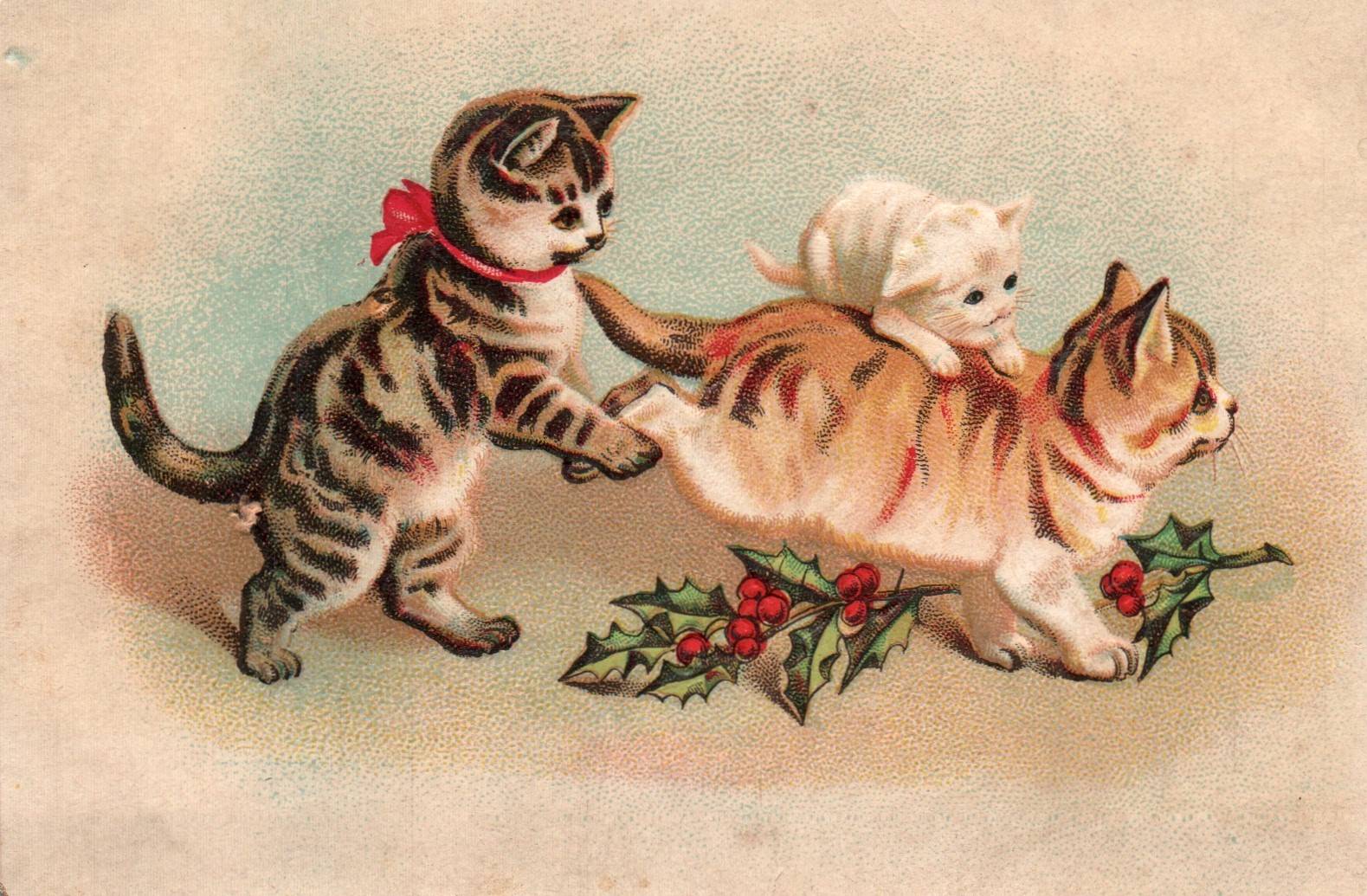
Download and save your very own copy of this vintage image of cats playing. There is a white kitten on a ginger cat and a striped tabby with a red bow. They are playing near some holly berry leaves, it might be near christmas time.

A vintage cat illustration with holly berry is a type of artwork that depicts a cat, usually in a whimsical or cute style, surrounded by holly berries and leaves. The illustration is in full color, and was most likely hand painted by an artist. It is from the early 1900’s based on the style.

The cat in the illustration is typically depicted in a playful or relaxed posture, and may be decorated with a ribbon or bow. The holly berries and leaves are often depicted as a frame around the cat, or as a garland or wreath that the cat is holding or playing with. The holly is a traditional symbol of Christmas, and the inclusion of holly berries and leaves in the illustration gives it a festive and seasonal feel.

In a vintage cat illustration with holly berry, the artist may use a variety of techniques to create a nostalgic or antique look. This may include the use of faded colors, or the use of distressed or weathered-looking paper. The artist may also use textured lines or cross-hatching to create a vintage feel, or may use a sepia-toned palette to create an old-world look.

This whimsical piece of artwork that is perfect for the holiday season, and would make a great addition to a collection of vintage illustrations or cat-themed artwork.

Watercolor Postcard Back

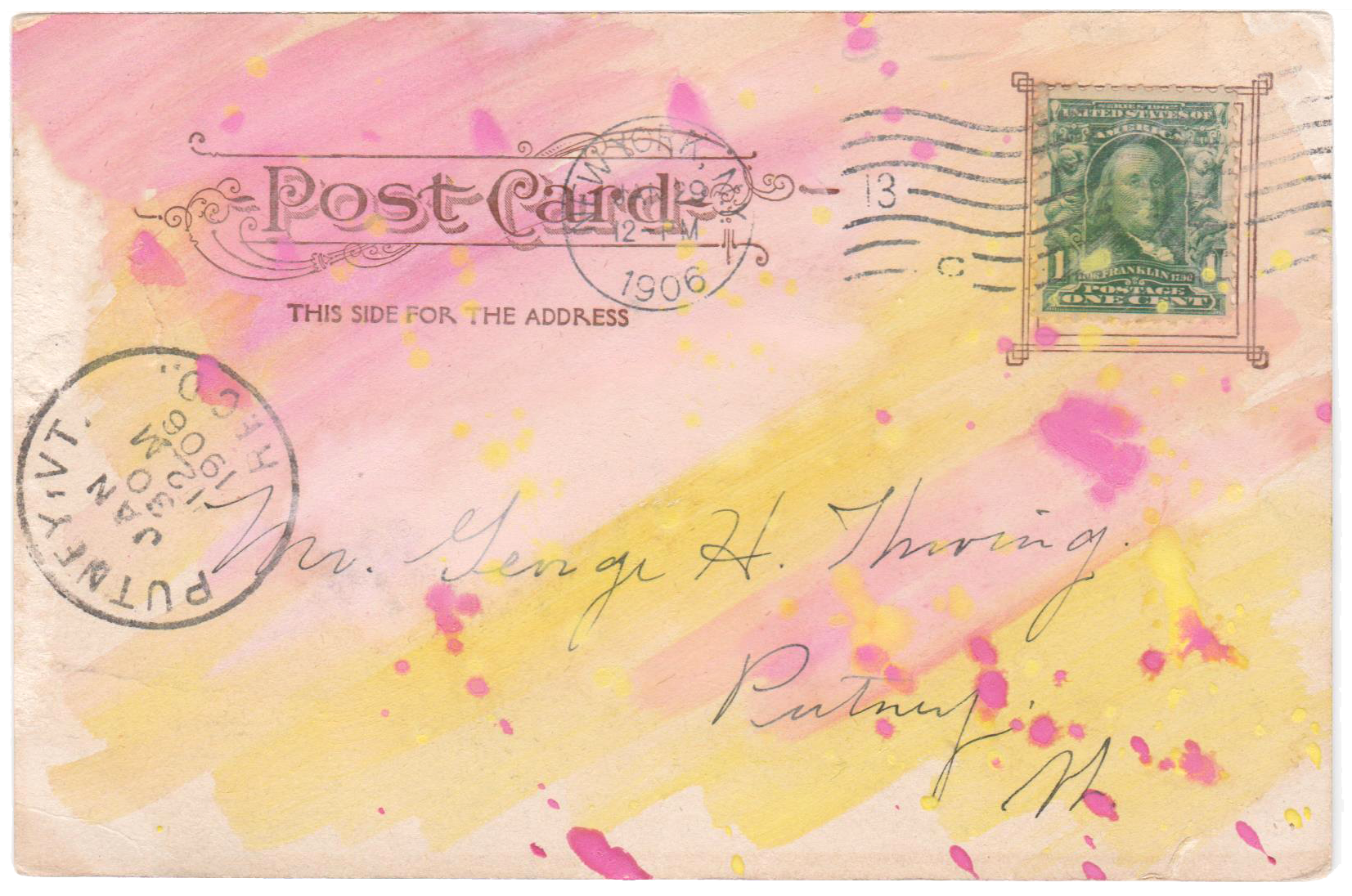
Painting the back of a vintage postcard with watercolor can be a fun and creative way to give an old card new life. The card’s front should not be affected as long as you take care not to let the paint bleed through to the front. When painting on the back of a vintage postcard, it’s important to use light strokes and thin layers of paint to avoid damaging the card. Watercolors can be a good choice for this project because they are easy to work with and can be layered to create different effects. Just be sure to use high-quality watercolor paints and paper to ensure the best results.

The original postcard is an undivided back originally mailed in 1906. You will notice the 1 cent stamp and original postmark cancels. I used pink and yellow watercolors. You can save the image and use in digital scrapbook layouts or online.

Printable Retro Audio Cassette Tape

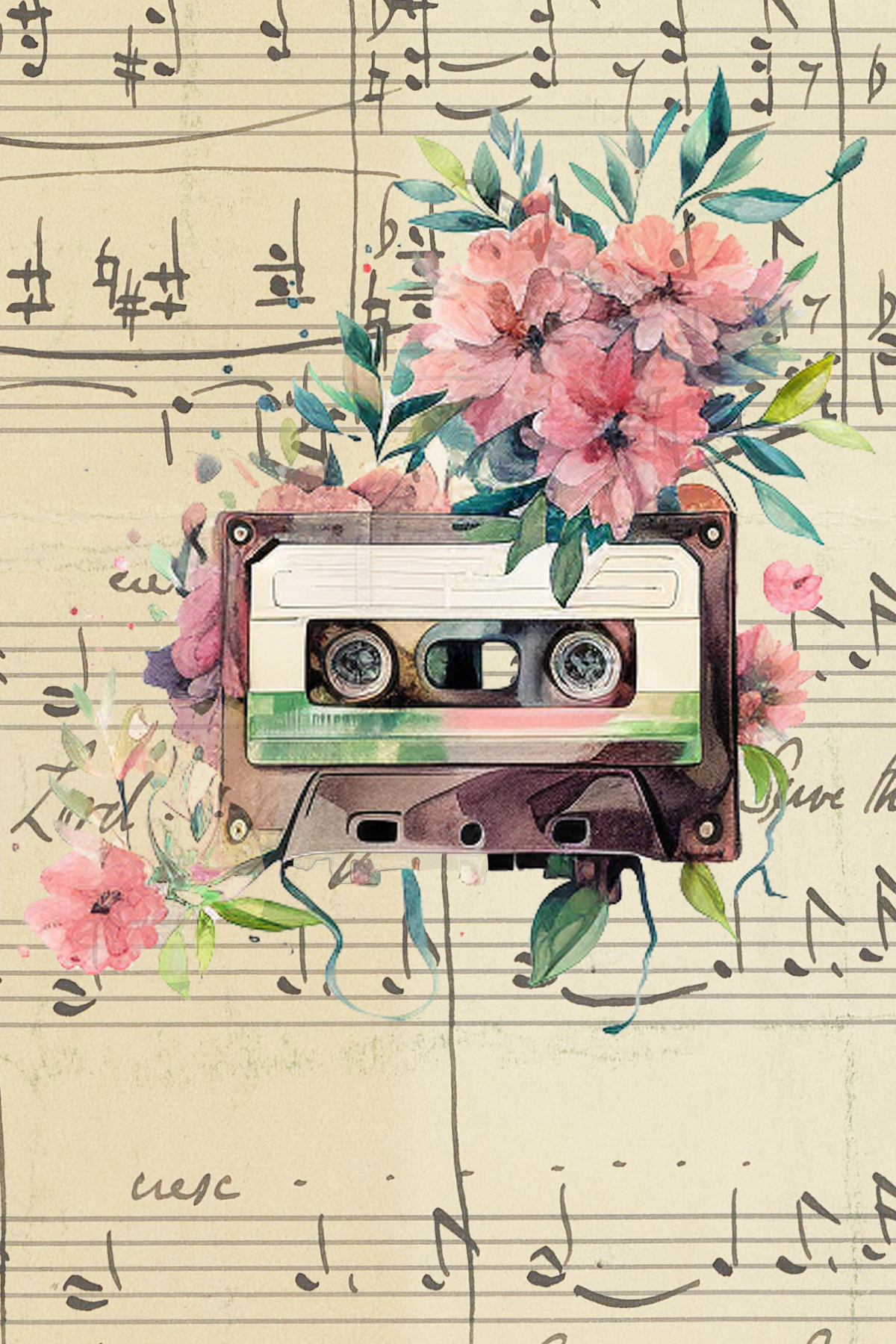
If you are feeling 1980s nostalgia, you can download and print this free printable wildflower cassette tape digital art. The background is handwritten sheet music from the 1800’s, what a juxtaposition!

Right-click to save the image.

Cassette tapes were first introduced in the 1960s and became widely used for music in the 1970s. They remained popular until the late 1990s, when they were largely replaced by digital formats such as CDs and MP3s. However, some people continue to use cassette tapes for music even today.

The 1980s were a decade known for its bold fashion, memorable pop culture moments, and iconic music. Many people who grew up in the 1980s look back on this period with nostalgia, fondly remembering the music, movies, and other aspects of the era. Some of the key characteristics of 1980s nostalgia include a love for the music of the time, a fondness for the fashions and styles of the era, and a sense of longing for the simpler, more carefree times that are often associated with the 1980s.

There are many different types of art that may be of interest to music lovers. Some possibilities might include:

  • Music-themed artwork, such as paintings or drawings of musicians or musical instruments
  • Album cover art or concert posters
  • Sculptures or installations that incorporate music or sound in some way
  • Photography related to music, such as portraits of musicians or images taken at concerts
  • Music-inspired fashion or design, such as clothing or accessories featuring band logos or musical motifs

Ultimately, the type of art that is most appealing to a music lover will depend on their personal preferences and interests.

Vintage Blank Digital Postcards Backs Free Download

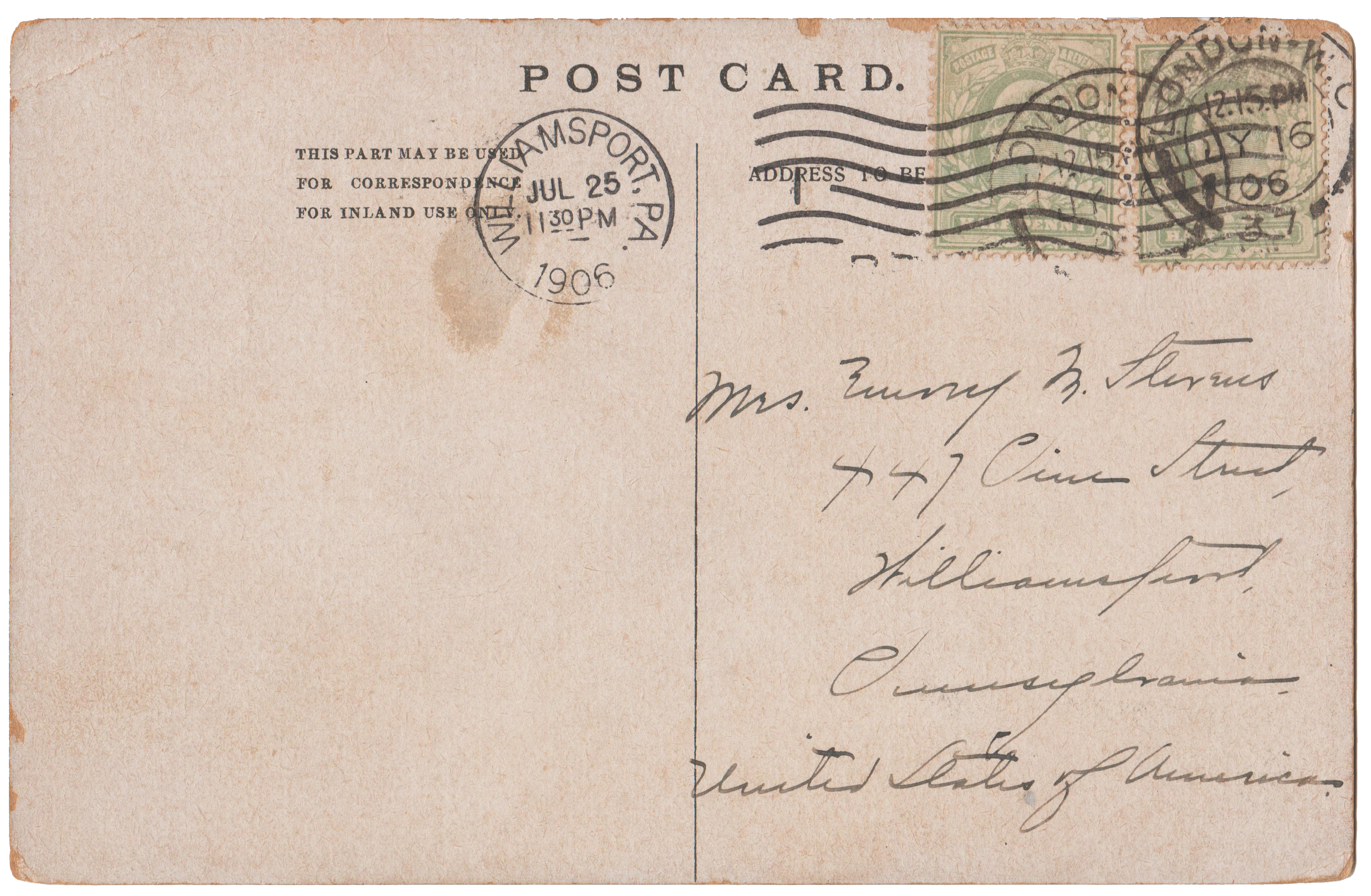
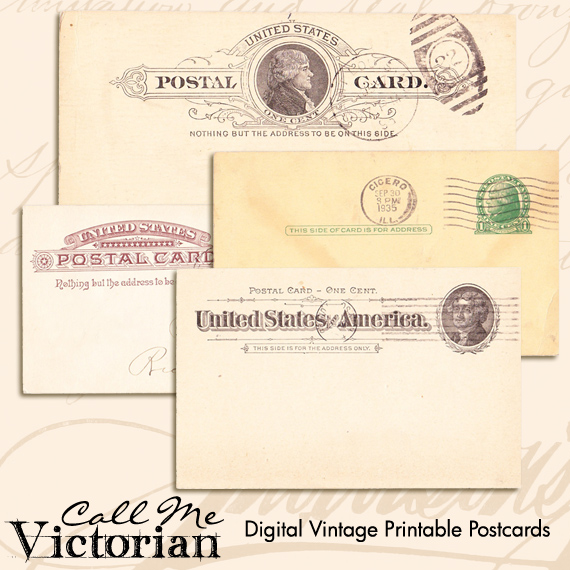
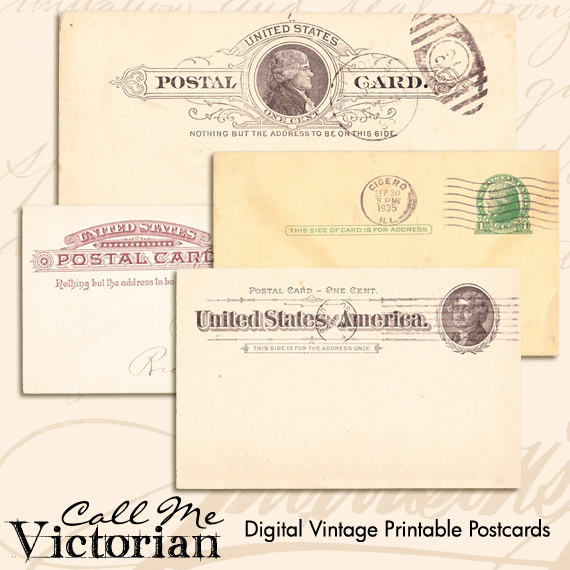
One posted and one unposted vintage postcard back, free image download transparent PNG. Click on each image to open at full size and save to download to your computer. The scans are at high resolution to use in your digital scrapbooks or clipart collection. One post card has a postmark from 1906 and handwritten address. Transparent PNG images make the downloads easy to use.

free vintage posted post card
One posted and one unposted vintage postcard back, free image download transparent PNG

You may also like:

Free Vintage Postcard Background

free vintage postcard background

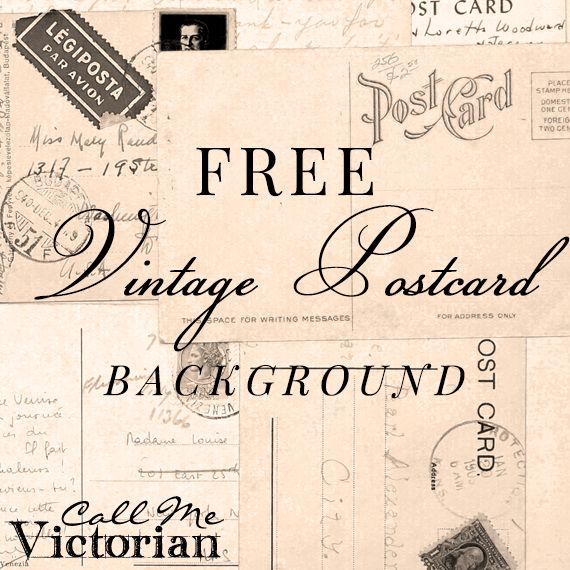
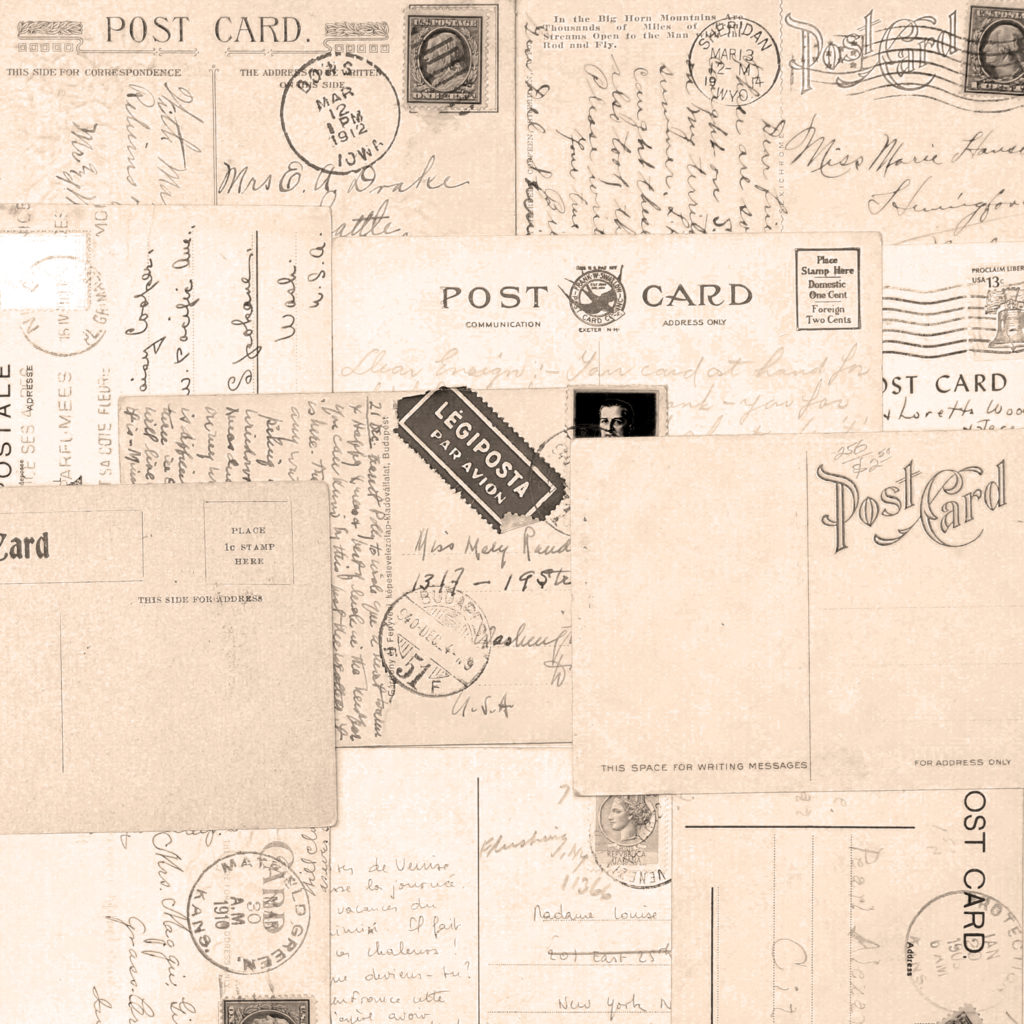
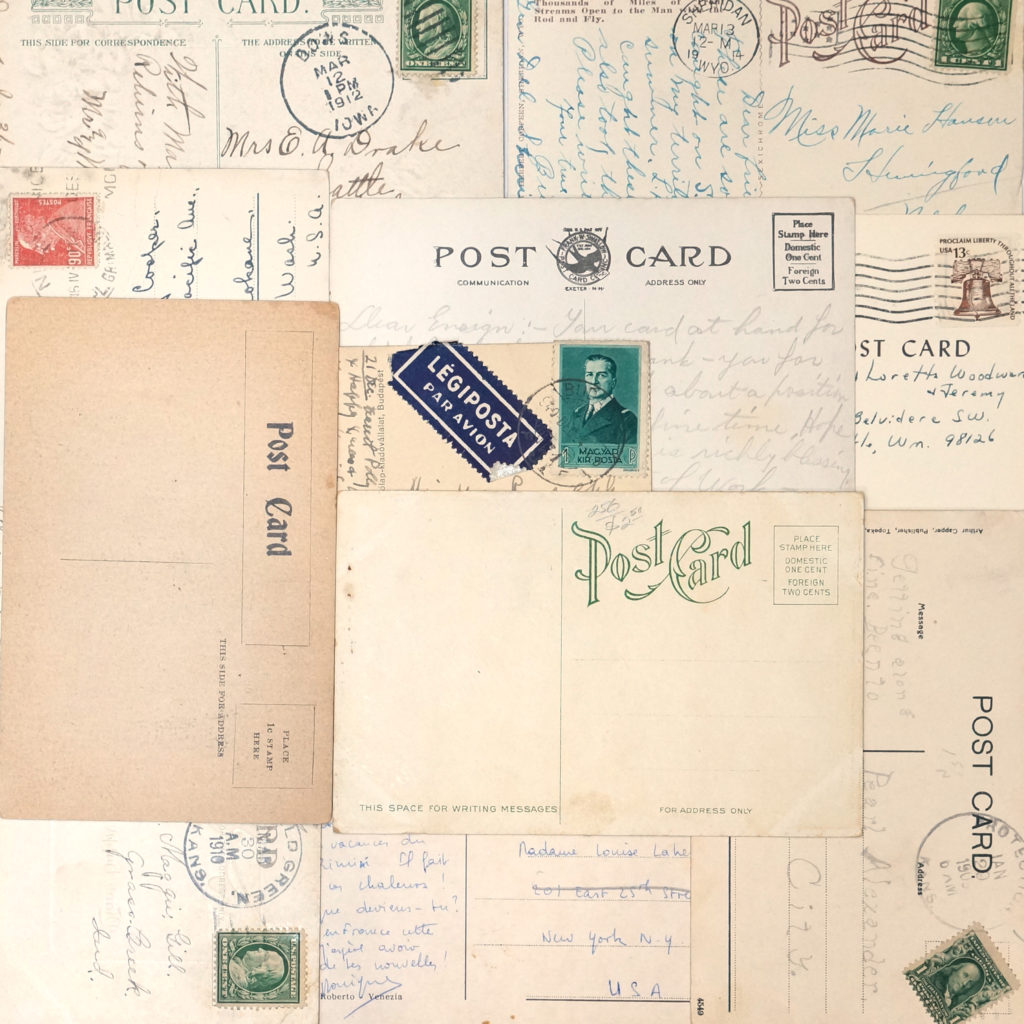
Vintage Postcard Background including old postage stamps, vintage handwriting, Eiffel Tower, old postcard backs, and postmark. Perfect for your journal spreads.

Use these digital backgrounds to create unique scrapbook pages!

The collage is made from a collection of used posted postcards from various eras and Digital Vintage postcards backs some with handwritten letters you can download for scrapbooking ephemera.

One background in color. One background in Sepia coloring.

Perfect for scrapbooks, journals, collage, gift tags, bookmarks, postcards…

Download a high quality resolution 300 DPI in .JPG format

Size 3600 x 3600 Pixels or 12×12 Inches.

Download Links: IMAGE 1 | IMAGE 2

Please use for PERSONAL use only, do not copy, distribute, or sell.